
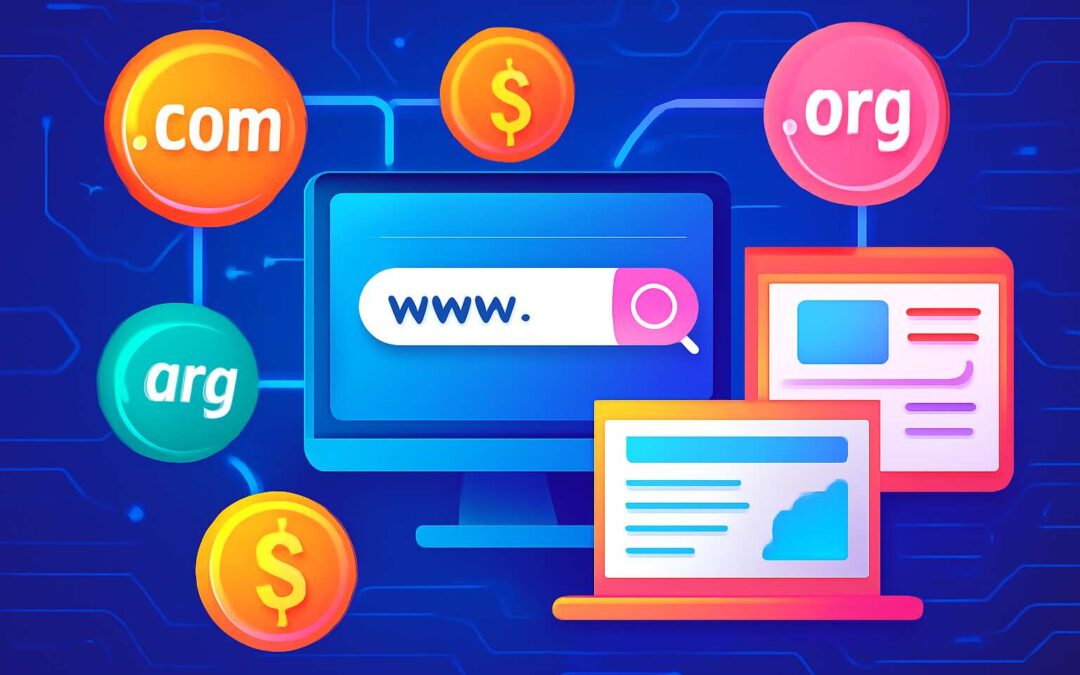
Understanding the Domain Marketplace
What Is a Domain Marketplace?
Few digital frontiers are as dynamic and layered as the realm of the domain marketplace. Within this bustling ecosystem, domains are more than mere addresses—they are valuable assets with the power to shape brands and capture markets. Navigating this space requires an understanding of its intricate architecture, where buyers and sellers converge in a dance of negotiation and discovery.
At its core, the domain marketplace is a specialised platform that facilitates the buying and selling of domain names. It acts as a bridge, connecting those seeking prime digital real estate with investors eager to capitalise on its potential. These marketplaces often feature a diverse array of domain types, from straightforward brand names to highly coveted keywords that can define online success.
To truly appreciate the significance of the domain marketplace, consider the following key elements that make it a vibrant hub for digital commerce:
- Escrow services ensuring secure transactions
- Valuation tools that help determine domain worth
- Marketplaces that host auctions for premium domains
Understanding these components reveals why the domain marketplace has become a critical arena for digital entrepreneurs and established corporations alike. It’s not just about owning a domain; it’s about owning a piece of the internet’s future—an investment that could transform a simple idea into a global brand. The stakes are high, and the opportunities are even higher, making this marketplace an intriguing space to watch and explore.
How Does the Domain Marketplace Function?
The domain marketplace is a bustling hub where digital assets change hands at a rapid pace. It’s not merely about finding an available domain name; it’s about understanding how this ecosystem operates to maximise value. At its core, the domain marketplace functions as a platform that connects buyers eager to secure prime online real estate with sellers looking to capitalise on their domain investments.
Transactions within the domain marketplace often involve several key steps. First, buyers evaluate domain names using valuation tools that help determine worth. Then, negotiations take place, sometimes through direct contact or via auction platforms that host premium domain sales. To ensure security during these exchanges, escrow services are frequently utilised—protecting both parties from fraud or miscommunication.
Understanding how the domain marketplace functions reveals the importance of its infrastructure. It’s a space where domain names are not just digital addresses but strategic assets that can elevate brands and unlock new markets. The process is complex but purposeful—each transaction contributing to the dynamic evolution of the internet’s commercial landscape.
Types of Domain Marketplaces
Understanding the domain marketplace requires recognising that it isn’t a monolithic entity but a tapestry woven with diverse platforms, each serving unique purposes. Some marketplaces specialise in premium, high-value domains, acting as auction houses for the internet’s most coveted assets. Others focus on the broader spectrum, offering a wide array of affordable, generic names that appeal to startups and entrepreneurs seeking to establish their digital presence.
The most common types of domain marketplaces include
- Brokered marketplaces, where expert agents facilitate negotiations and transfers, often specialising in high-end domains.
- Open listing platforms that empower individual sellers to showcase their domains directly to buyers without intermediary interference.
- Auction sites that create an environment charged with anticipation, where digital real estate is auctioned to the highest bidder.
Each type embodies a different facet of the complex ecosystem that is the domain marketplace, reflecting the varied motivations and strategies of its participants. In this space, understanding the distinctions can unlock deeper insights into how digital assets are valued and exchanged.
Benefits of Using a Domain Marketplace
In the fast-evolving world of digital assets, harnessing the power of the domain marketplace can be a game changer. It’s not just about buying or selling domains; it’s about tapping into a vibrant ecosystem where value is realised and opportunities are seized. With over 30 million registered domain names changing hands each year, understanding the benefits of engaging with the domain marketplace becomes essential for entrepreneurs and investors alike.
One significant advantage is access to a diverse pool of high-quality domains, often unavailable through traditional channels. This broad selection allows buyers to find a perfect match for branding or project needs, saving time and effort. Sellers, on the other hand, benefit from exposure to targeted audiences, increasing the chances of a profitable transaction.
Moreover, the domain marketplace offers transparency and security. Reliable platforms include escrow services and verified listings, which minimise risk. Whether you’re seeking premium domains or affordable options, the marketplace’s specialised platforms streamline the process, making it straightforward and efficient. Ultimately, engaging with the domain marketplace unlocks potential that can elevate digital strategies and strengthen online presence!
Key Features of Leading Domain Marketplaces
Search and Filter Options
In the labyrinthine corridors of the domain marketplace, the key features that stand out are often the search and filter options—those guiding stars that transform chaos into clarity. An intuitive search bar, complemented by dynamic filters, allows users to navigate vast oceans of domains with effortless grace. You might find yourself narrowing your quest by price, domain extension, or even keyword relevance, all within a few keystrokes.
The best domain marketplaces harness the power of advanced filtering tools, ensuring every seeker can unearth their perfect digital asset. For instance, some platforms offer real-time updates, showcasing trending domains or recent sales, adding a layer of immediacy that fuels decision-making.
Here’s a glimpse of what makes the search and filter options truly enchant:
- Keyword relevance and popularity indicators
- Price range sliders and budget filters
- Domain extension (TLD) segmentation
- Age of the domain and traffic metrics
These features weave a tapestry of ease and precision, making the domain marketplace not just a platform, but a realm where digital dreams take flight.
Pricing Models and Fees
In the realm of the domain marketplace, understanding pricing models and fees is essential to navigating this digital treasure trove. Leading platforms often employ a variety of structures, from fixed-price listings to auction-based models, each catering to different types of buyers and sellers. The most transparent marketplaces clearly disclose their fee structures, fostering trust and confidence.
Typically, fees may include a listing fee, a commission on sales, or a combination of both. Some platforms even incorporate premium listing options that boost visibility at an additional cost. For buyers, the total cost might encompass broker fees or transfer charges, which are crucial to consider when pursuing that perfect digital asset.
A glance at the pricing landscape reveals a pattern: the most successful domain marketplaces balance affordability with premium services, making the pursuit of a coveted domain both accessible and rewarding.
Seller and Buyer Protections
In the shadowy realm of the domain marketplace, trust is the ultimate currency. Leading platforms stand out by offering robust seller and buyer protections that create a sense of security amid the digital chaos. These protections often include escrow services, which act as impartial mediators, ensuring that funds and domain assets change hands only when both parties are satisfied.
Moreover, many of the top domain marketplaces implement strict verification processes for sellers, reducing the risk of fraud and fake listings. Buyers benefit from transparent dispute resolution mechanisms that swiftly address any issues, fostering confidence in the transaction. Some platforms even feature secure messaging channels to facilitate direct communication without exposing sensitive information.
- Escrow services that safeguard transactions
- Verification protocols to prevent fraud
- Dispute resolution systems that resolve conflicts efficiently
It’s this meticulous attention to security and fairness that elevates the domain marketplace from a mere trading hub to a trustworthy digital bazaar. When protections are in place, both buyer and seller can focus on what truly matters: the pursuit of the perfect domain without fear of betrayal or loss.
User Interface and Experience
In the competitive world of the domain marketplace, user interface and experience can make or break a transaction. Leading platforms prioritise clarity and ease of use, ensuring buyers and sellers navigate swiftly through complex listings. Clean layouts, intuitive menus, and responsive design are standard features that reduce friction and enhance confidence.
Many top domain marketplaces incorporate advanced search and filter options, allowing users to narrow down options based on keywords, price ranges, or domain extensions. This precision saves time and makes the process more efficient. The best platforms also offer seamless account management tools, enabling users to monitor their listings, track offers, and manage negotiations effortlessly.
On a practical level, these platforms often feature quick preview options and detailed domain descriptions, helping users make informed decisions at a glance. Such thoughtful features make the domain marketplace not just a trading hub but a user-centric environment where efficiency and security go hand in hand.
Buying and Selling Domains on the Marketplace
How to Buy a Domain
In the world of online business, owning the right domain can make all the difference. The domain marketplace has become the bustling hub where buyers and sellers come together to exchange digital real estate. Whether you’re looking to acquire a brandable domain or sell a premium one, understanding how to navigate this space is crucial.
When buying a domain, it’s important to do thorough research. Check the history of the domain, verify its reputation, and ensure there are no existing legal issues. Once you find a promising listing, consider making an offer or using the marketplace’s escrow services for secure transactions. For sellers, presenting your domain with detailed information and clear pricing can attract serious buyers.
- Evaluate the domain’s value based on keywords, length, and branding potential.
- Use transparent bidding or fixed-price options to facilitate smooth sales.
How to List a Domain for Sale
In the realm of the domain marketplace, transforming a digital asset into a coveted treasure requires more than just a listing; it’s an art form. When you’re ready to sell, crafting an alluring yet transparent listing is paramount. Highlight the domain’s unique qualities—its keywords, length, and branding potential—so potential buyers can see its true worth at a glance.
To amplify your chances, consider setting a fixed price or opening an auction. This dual approach invites both quick decisions and competitive bidding, creating a dynamic atmosphere where your domain can truly shine. Ensuring your listing includes comprehensive information and clear contact details invites serious inquiries and fosters trust.
A smooth transaction in the domain marketplace hinges on a well-presented listing, where clarity and appeal come together like a perfectly choreographed dance. Proper presentation can turn a simple domain into a digital masterpiece, attracting the eyes of visionary entrepreneurs eager to claim their piece of the internet.
Strategies for Negotiation
Negotiation strategies in the domain marketplace can be the defining factor between sealing a lucrative deal or walking away empty-handed. When engaging in buying or selling domains, understanding the subtle art of negotiation can unlock hidden value and foster lasting relationships.
One effective approach is to remain patient and observant, gauging the seller’s or buyer’s real intentions beneath the surface. Sometimes, a well-timed counteroffer or additional information about the domain’s potential can sway the negotiation in your favour. Remember, in the domain marketplace, transparency and flexibility often lead to mutual satisfaction.
To navigate these dealings successfully, consider employing a structured method:
- Start with a clear valuation based on comparable sales and domain quality.
- Make an initial offer that leaves room for manoeuvre, avoiding lowball tactics that could offend.
- Engage in open dialogue, asking strategic questions to uncover the other party’s priorities.
- Be prepared to walk away if the terms don’t align with your objectives, demonstrating confidence without arrogance.
By adopting these tactics, buyers and sellers can turn negotiations into opportunities for strategic advantage. The secret lies in recognising that, within the domain marketplace, every transaction carries a story — and mastery of negotiation can write a compelling chapter for both parties involved.
Tips for Successful Transactions
Navigating the domain marketplace requires more than just a keen eye—it’s an intricate dance rooted in psychology, patience, and strategic insight. When buying or selling domains, success hinges on understanding the subtle cues that reveal true intent and leveraging them to foster mutually beneficial outcomes.
A vital aspect of ensuring successful transactions is thorough preparation. Knowing the fair valuation of a domain, based on comparable sales and intrinsic quality, allows you to approach negotiations with confidence. Sometimes, a simple counteroffer or a well-timed piece of information about a domain’s potential can shift the balance dramatically.
In the realm of the domain marketplace, employing a structured approach can make all the difference:
- Determine your maximum willing spend or minimum acceptable price.
- Engage in open dialogue with genuine curiosity about the other party’s priorities.
- Maintain patience, recognising that rushing can lead to missed opportunities or undervaluing a domain.
Ultimately, mastering the art of buying and selling domains is about understanding human nature—reading between the lines and recognising that every deal contains an unspoken story. The domain marketplace isn’t merely transactional; it is a reflection of aspirations, fears, and ambitions, waiting to be unlocked by those with insight.
Choosing the Right Domain Marketplace
Factors to Consider
Choosing the right domain marketplace can feel akin to navigating a vast ocean of digital treasures, where each vessel promises a different voyage. With over 300 active platforms, the selection becomes more than a matter of preference—it’s a strategic decision that shapes your online destiny.
Factors such as reputation and security are paramount. A trusted domain marketplace provides a fortress of protections, ensuring your investments are shielded from unscrupulous actors. Moreover, examining the variety of domain extensions and the breadth of listings can uncover opportunities hidden beneath the surface.
When evaluating these factors, consider whether the platform offers robust search filters and transparent fee structures, vital for making an informed choice. Remember, the right marketplace isn’t just a marketplace; it’s a gateway to growth, a crucible where ambitions forge into digital realities.
Reputation and Trustworthiness
In the bustling realm of the domain marketplace, reputation and trustworthiness aren’t just buzzwords—they’re the bedrock of a safe and successful transaction. Navigating through over 300 platforms can feel like sifting through a digital jungle, where every platform promises a different treasure. But how do you separate the reliable from the rogue? It’s simple: look for platforms with a proven track record of security and transparency.
A trustworthy domain marketplace often features transparent fee structures, clear seller ratings, and robust dispute resolution processes. These elements act as a shield against unscrupulous actors, ensuring your investments remain protected. When evaluating a platform, consider how it handles buyer protection and the overall user experience—after all, a seamless interface and reliable support can turn a stressful purchase into a smooth sail.
Remember, choosing the right domain marketplace isn’t just about finding a listing; it’s about aligning with a platform that prioritises your security and confidence. Here are some key indicators of a reputable marketplace:
- Consistent positive user reviews
- Secure payment gateways
- Transparent transaction policies
In the end, a reputable platform transforms the sometimes-chaotic world of domain buying into a curated journey of digital discovery. Trust isn’t just a bonus—it’s the currency that keeps this marketplace thriving.
Price and Commission Structures
Choosing the right domain marketplace can feel like navigating a labyrinth of options, each with its own hidden costs and incentives. Price and commission structures are often the silent gatekeepers—determining whether your investment pays off or becomes a costly gamble. Some platforms charge flat fees, while others operate on a percentage-based commission, which can significantly impact your overall expenses.
Understanding these nuances is vital; a seemingly attractive platform with low upfront costs might have high commissions that eat into your profit margins. Conversely, a marketplace with transparent, predictable fees fosters trust and simplifies budgeting.
In the world of the domain marketplace, an opaque fee structure can hide pitfalls, so look for platforms that clearly outline their pricing models. This transparency not only safeguards your investments but also ensures you’re not caught unawares when it’s time to close a deal. Carefully analysing these elements can transform a confusing process into a strategic advantage, making your journey through the domain marketplace more confident and successful.
Additional Services Offered
Choosing the right domain marketplace is akin to selecting a shadowy gateway into a realm of possibility, where the right partner can illuminate your path—or cast it into darkness. Beyond the whispers of fees and commissions, many platforms offer additional services that can elevate your experience to a new plane of professionalism.
Some provide escrow services, safeguarding both buyer and seller from unseen threats lurking in the shadows. Others offer domain valuation tools that reveal the true worth of a digital asset, an essential feature in a marketplace shrouded in mystery and speculation.
Navigating the domain marketplace requires more than just a keen eye; it demands an understanding of these additional offerings. They can streamline transactions, fortify your investments, and turn what seems like an opaque process into a strategic dance. In this labyrinth, selecting a platform with comprehensive services can be your most potent weapon against the unknown.
Future Trends in the Domain Marketplace
Emerging Technologies
As technology hurtles forward at a dizzying pace, the domain marketplace is poised on the brink of a renaissance fueled by emerging innovations. Artificial intelligence and blockchain are no longer mere buzzwords but catalysts transforming how digital assets are valued and exchanged. AI-powered tools are increasingly refining search algorithms, making it easier to discover premium domains that were previously hidden behind layers of obscurity. Meanwhile, blockchain introduces a new era of transparency and security, promising to revolutionise ownership verification and reduce fraud in the domain marketplace.
Additionally, the integration of decentralised marketplaces is anticipated to decentralise ownership further, allowing for peer-to-peer transactions without intermediaries. The rise of virtual reality and augmented reality may also usher in immersive environments where buyers can explore digital assets in a simulated space. As the landscape evolves, expect the domain marketplace to become more dynamic, secure, and user-centric, driven by these cutting-edge technologies. The future promises a realm where digital real estate is as fluid and innovative as the technologies that underpin it.
Market Growth Predictions
The future of the domain marketplace is set to accelerate at an unprecedented pace. Industry experts predict a compound annual growth rate that could reshape digital real estate as we know it. Emerging technologies like artificial intelligence and blockchain are not just trends; they are catalysts driving this expansion. These innovations will make domain valuation more precise and secure, attracting a broader spectrum of investors and entrepreneurs.
One notable trend is the rise of decentralised marketplaces, which will empower peer-to-peer transactions and reduce reliance on traditional brokers. This shift promises a more transparent and efficient environment for buying and selling digital assets. Additionally, virtual and augmented reality may soon allow users to explore domain portfolios within immersive spaces, transforming how digital assets are experienced and evaluated.
- Enhanced AI search algorithms will uncover hidden gems that previously went unnoticed.
- Blockchain integration will provide immutable proof of ownership, reducing fraud and increasing trust.
- Decentralised platforms will facilitate direct negotiations, lowering fees and increasing transaction speed.
As these trends converge, the domain marketplace will evolve into a more dynamic, secure, and user-centric arena. This evolution promises a landscape where digital real estate becomes as fluid and innovative as the technologies shaping it. Expect rapid growth as these innovations continue to redefine the possibilities within the domain marketplace.
Legal and Ethical Considerations
As the domain marketplace hurtles towards an era of unprecedented innovation, the legal and ethical landscape must keep pace with these rapid transformations. With emerging technologies like artificial intelligence and blockchain revolutionising digital real estate, questions of ownership, authenticity, and fair trading become more intricate. It’s essential that industry stakeholders anticipate the legal challenges that accompany decentralised platforms and immersive virtual environments.
One of the most pressing concerns is ensuring the integrity of domain transactions. Blockchain technology, with its capacity for immutable proof of ownership, offers a beacon of trust in this dynamic environment. Simultaneously, the proliferation of decentralised marketplaces raises questions about jurisdiction and regulatory compliance. To navigate this labyrinth, many experts advocate for clear, universally recognised standards that uphold both transparency and fairness.
In the realm of ethics, safeguarding against cybersquatting and domain theft remains paramount. As the domain marketplace evolves, so too must the legal frameworks designed to protect genuine investors, entrepreneurs, and brand owners. Only through rigorous regulation and vigilant enforcement can we ensure that this digital frontier remains a space of integrity, innovation, and trust.
Impact of SEO and Brand Building
The future of the domain marketplace is poised for transformative shifts that will redefine how brands establish their digital presence. As search engine optimisation (SEO) continues to evolve, owning a high-quality domain becomes more than just a vanity — it’s a strategic asset for boosting online visibility. In an increasingly crowded digital landscape, a memorable and keyword-rich domain can elevate a brand’s authority and drive organic traffic with remarkable efficiency.
Emerging trends suggest that domain names will increasingly serve as powerful tools for brand building, especially when combined with innovative SEO strategies. Industry insiders forecast a rise in premium domains tailored for niche markets, making it essential for investors and entrepreneurs to stay ahead of market trends. Moreover, the integration of decentralised platforms and blockchain technology promises enhanced trust and security, fostering a more resilient domain marketplace.
- Enhanced keyword relevance
- Stronger brand recognition
- Improved search engine rankings
As the domain marketplace continues to evolve, so too will the importance of strategic domain acquisition. Effective domain names will become fundamental to an organisation’s SEO framework, impacting everything from backlink profiles to user engagement. This synergy between domain assets and digital marketing underscores the pivotal role of the domain marketplace in shaping future brand success stories.